
- Short Answer – Can You Buy Antibiotics in Mexico Without a Prescription?:
- What's Available at Mexican Pharmacies
- Getting a Prescription as a Tourist
- What to Expect: Process and Timeline
- Getting Medication Delivered to Your Hotel
- When to Skip the Pharmacy and See a Doctor Immediately
- What to Pack: Bringing Medication From Home
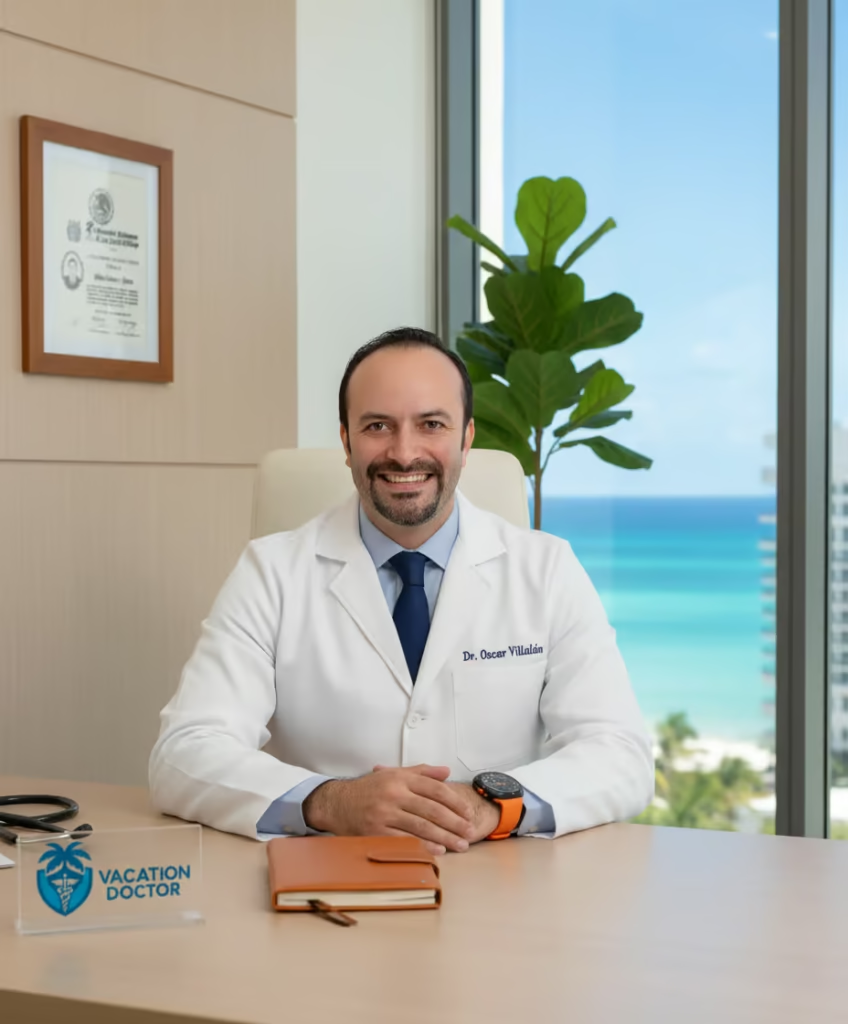
- Dr. Oscar Answers
Short Answer – Can You Buy Antibiotics in Mexico Without a Prescription?:
No. Mexico has required a prescription for antibiotics since 2010, and reputable pharmacy chains enforce this consistently. However, getting a prescription as a tourist is much faster and cheaper than you might expect: pharmacy-attached doctors at chains like Farmacias Similares charge as little as $3 USD for a consultation, and telemedicine services can send a valid prescription to a nearby pharmacy or deliver the medication directly to your hotel within 60–90 minutes.
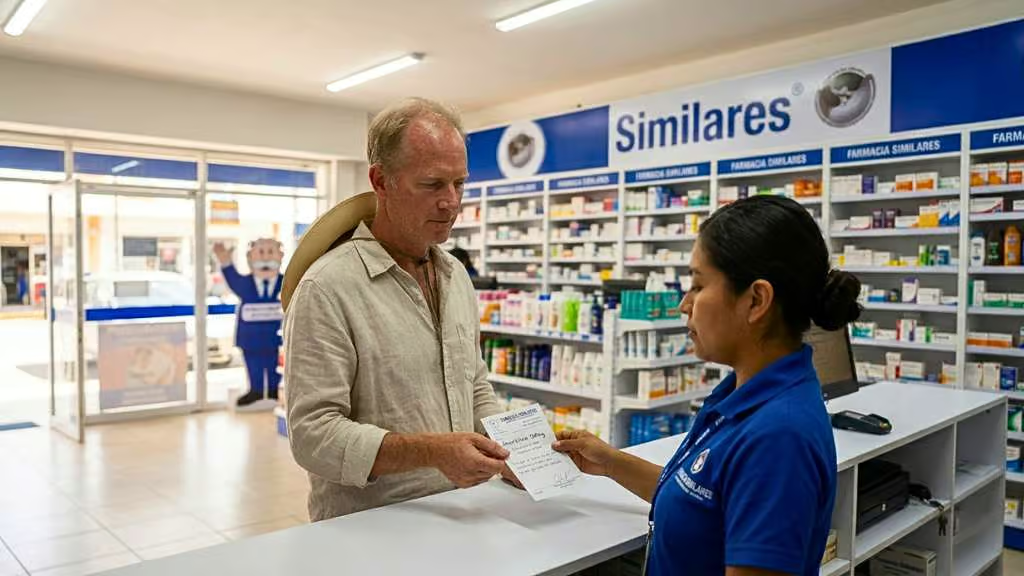
If you’re a tourist or someone who has moved to Mexico and have an infection, working out how to get antibiotics in another country can be a bit of a worry ( and this is even harder if you’re not feeling well ) The simple answer is no, you can’t legally. Mexico has required a prescription for antibiotics since 2010, and the rules have been more closely followed over the last few years. However, getting a prescription isn’t as difficult as you might think, and it’s often quicker and less expensive than it would be back home.
What’s Available at Mexican Pharmacies
Mexican pharmacies ( or farmacias ) are on nearly every street in tourist areas, and they stock most of the same antibiotics you’d find in the US or Canada. How they’re organised and sold, though, is quite different.
Over-the-counter (no prescription needed): Pain relievers like ibuprofen and acetaminophen, antihistamines, antacids, loperamide for diarrhoea, oral rehydration salts, and topical antibiotic creams for skin. These are easy to find and don’t cost much.
Prescription required (Group IV medications): All oral and injectable antibiotics – amoxicillin, azithromycin (Z-pack), ciprofloxacin, and nitrofurantoin among them. Since 2010, pharmacies are legally required to keep the prescription once they give you the medication.
Controlled substances (strict prescription + licensed pharmacy only): Strong painkillers using opioids, benzodiazepines, and ADHD medications need a prescription from a doctor who is authorised to prescribe them, and can only be dispensed at pharmacies that hold a specific licence for these medicines – usually those connected to hospitals.
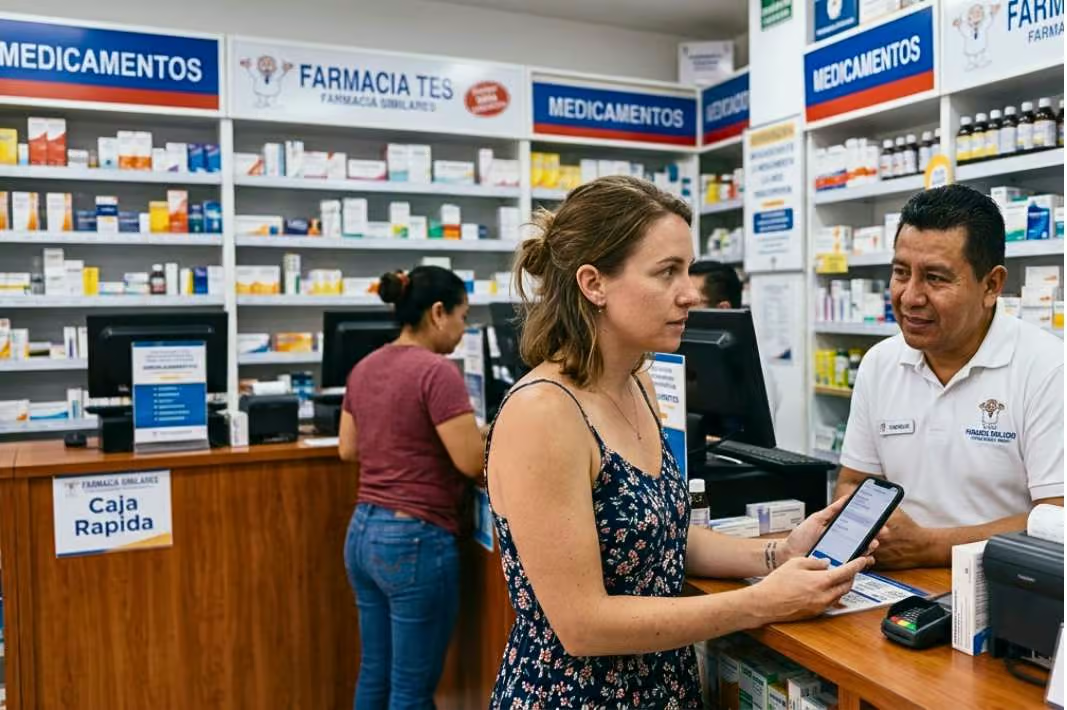
The well-known pharmacy chains: Farmacias del Ahorro, Farmacias Guadalajara, Farmacias Similares, and YZA – are careful to follow the law and will not give you antibiotics unless a Mexican doctor has written you a valid prescription.
Some smaller pharmacies in tourist areas might sell antibiotics without one, but buying from them carries real risks: counterfeit medications, incorrect dosages, and contributing to the growing problem of antibiotic resistance in Mexico.
Getting a Prescription as a Tourist
You don’t need Mexican health insurance or residency to see a doctor here. There are several straightforward options for getting a prescription:
- Pharmacy-attached doctors: Farmacias Similares and Farmacias del Ahorro have walk-in doctor’s offices right inside or next to the pharmacy. Consultations typically cost 50 pesos or less (around $3 USD) and some are free. The doctor evaluates your symptoms, writes a prescription, and you fill it downstairs. Wait times are usually under 30 minutes.
- Walk-in clinics: Private clinics in Cancun, Playa del Carmen, and other tourist hubs are accustomed to treating visitors. Many have English-speaking staff. Expect to pay between $30–$80 USD for a consultation, depending on the clinic.
- Telemedicine consultations: Licensed Mexican doctors can evaluate you remotely via video call, diagnose your condition, and send a valid prescription directly to a pharmacy near you – or arrange for medication delivery to your hotel. This is especially useful in areas like Tulum or smaller towns where walk-in clinics are less common.
- Hotel house call doctors: Some services send licensed physicians directly to your hotel room. You get a full consultation, diagnosis, and prescription without leaving your accommodation – and in some cases, the medication is delivered to your room within an hour or two.
What to Expect: Process and Timeline
Getting antibiotics in Mexico is normally much quicker than you’re likely used to back home. Here’s a reasonable idea of how long each option will take:
Pharmacy-attached doctor route (fastest for mild cases):
- Walk in and give your name to register. No insurance forms needed
- See the doctor (10–15 minutes)
- Fill the prescription at the pharmacy counter (5 minutes)
- Total time: about 30–45 minutes, costing roughly $5–$15 USD including medication
Telemedicine or hotel house call route (best when you can’t leave your room):
- Get in touch with the service by phone, WhatsApp, or online booking
- Video consultation or in-room visit (15–30 minutes)
- Prescription sent to a pharmacy or medication delivered to your hotel
- Total time: about 60–90 minutes from first contact to antibiotics in hand
Do remember that a prescription from your doctor at home won’t be accepted at Mexican pharmacies — Mexican law requires prescriptions from doctors licensed to practice in Mexico. Luckily, getting a consultation here is so fast and affordable that this isn’t usually a problem. And if you do have your prescription from home or your medication packaging, bring it along to the appointment; it helps the Mexican doctor understand your treatment history.
Getting Medication Delivered to Your Hotel
Because of the way pharmacies work in Mexico, getting things brought to you is easy — and this is especially true in tourist corridors like Cancun and the Riviera Maya.
You can get delivery from chains like Farmacias del Ahorro and Farmacias Guadalajara through their own apps or via third-party services like Rappi and Cornershop. Over-the-counter medications can be ordered directly without a prescription. Antibiotics do require a valid prescription first, but once you have one, getting them delivered to your hotel is simple.
Telemedicine services for tourists frequently handle the entire process as a single package: consultation, prescription, pharmacy coordination, and delivery. In Cancun and Playa del Carmen, medication can arrive at your hotel within 60–90 minutes. In more remote areas like Tulum or Holbox, delivery will likely take longer — but telemedicine consultations are still available anywhere in the country.
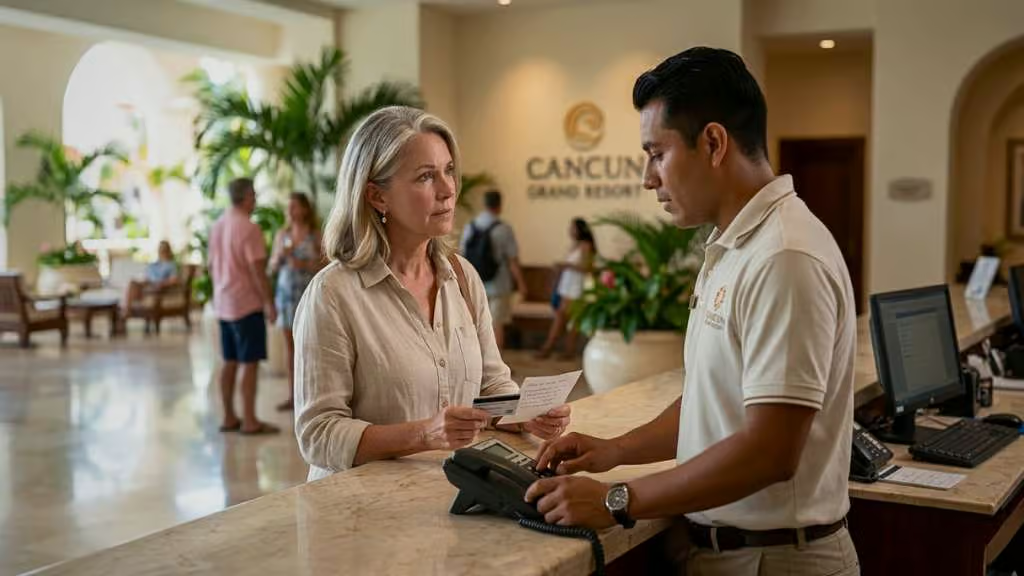
If you’re at an all-inclusive resort, let the front desk know you’re expecting a delivery. Some resorts have their own procedures for receiving packages from outside services.
When to Skip the Pharmacy and See a Doctor Immediately
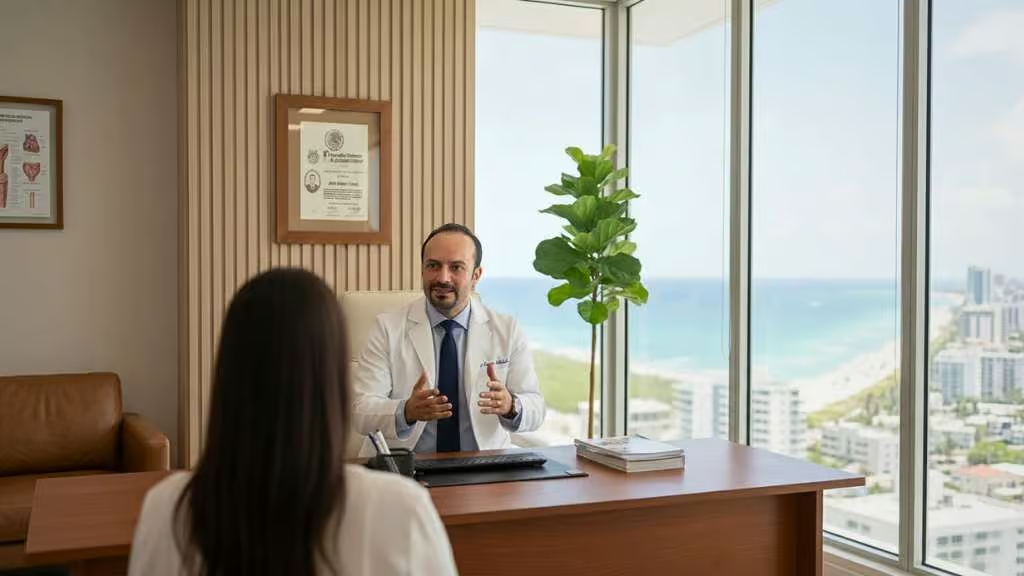
Usually, infections tourists get (things like UTIs, mild traveler’s diarrhea, ear infections, or skin infections) will get better if you start the correct antibiotic quickly. But certain situations mean you really need a doctor right away, not just a trip to the pharmacy:
- Fever above 39°C (102.2°F) that isn’t coming down with acetaminophen or ibuprofen
- Blood in your urine or stool
- Signs of dehydration — feeling faint, very dark urine, or not being able to keep fluids down
- Spreading redness, warmth, or a red line extending from a wound or bite
- Symptoms not improving after 48 hours on antibiotics
- Severe abdominal pain or difficulty breathing
We offer same-day telemedicine consultations throughout Mexico, with antibiotics delivered within 60–90 minutes in Cancun and the Riviera Maya. If an infection is bothering you on your trip, you don’t have to deal with the Mexican healthcare system on your own.
For condition-specific treatment guides, see: UTI Treatment in Cancun | Online Doctor for Diarrhea & Food Poisoning in Cancun | Skin Rash Cancun Emergency Doctor
What to Pack: Bringing Medication From Home
If you have a recurring condition — chronic UTIs, a history of traveler’s diarrhea, or a known allergy that requires specific antibiotics — ask your doctor at home for a “just in case” prescription before your trip. Bring the medication in its original labeled container with your name on it. This saves time and stress if symptoms develop.
Even if you don’t have a specific prescription, consider packing: oral rehydration salts, bismuth subsalicylate (Pepto-Bismol), antihistamines for allergic reactions, and a basic first aid kit with antiseptic and antibiotic ointment. These are all available over the counter in Mexico, but having them in your bag means you won’t need to find a pharmacy at 2 a.m.
Can I use a prescription from my home country to buy antibiotics in Mexico?
No. Mexican pharmacies are only permitted to dispense antibiotics against a prescription issued by a doctor licensed to practice in Mexico. A prescription from a US, Canadian, or European doctor is not valid at a Mexican pharmacy. The good news is that getting a local prescription is quick and inexpensive — pharmacy-attached consultations typically cost under $5 USD and take less than 30 minutes.
Are antibiotics cheaper in Mexico than in the US?
Yes, significantly in most cases. Common antibiotics like amoxicillin, azithromycin, and nitrofurantoin are available at a fraction of their US retail price at Mexican pharmacy chains, even without insurance. When you factor in the low consultation cost at a pharmacy-attached doctor’s office, the total out-of-pocket expense is often under $15–$20 USD for the visit and the medication combined.
What happens if I buy antibiotics from a pharmacy that doesn’t ask for a prescription?
Some smaller pharmacies in tourist areas may sell antibiotics without requiring one, but doing so carries real risks. These pharmacies are more likely to stock counterfeit or improperly stored medications, and incorrect dosing can make your infection harder to treat. It also contributes to antibiotic resistance, which is an active public health concern in Mexico. Sticking to established chains and obtaining a legitimate prescription protects both your health and your trip.
Can a telemedicine doctor in Mexico write me a valid antibiotic prescription?
Yes. A telemedicine consultation with a licensed Mexican physician produces a legally valid prescription that pharmacies will accept. After a video consultation, the doctor can send the prescription digitally to a pharmacy near you, or coordinate delivery of the medication directly to your hotel. In Cancun and the Riviera Maya, this process typically takes 60–90 minutes from first contact to medication in hand. Telemedicine is especially useful in areas like Tulum or Holbox where walk-in clinics are less accessible.
This information provides general guidance for travelers and is not a substitute for professional medical advice. Antibiotic use should always be directed by a licensed physician. If you are experiencing a medical emergency, contact local emergency services (911 in Mexico) immediately.